
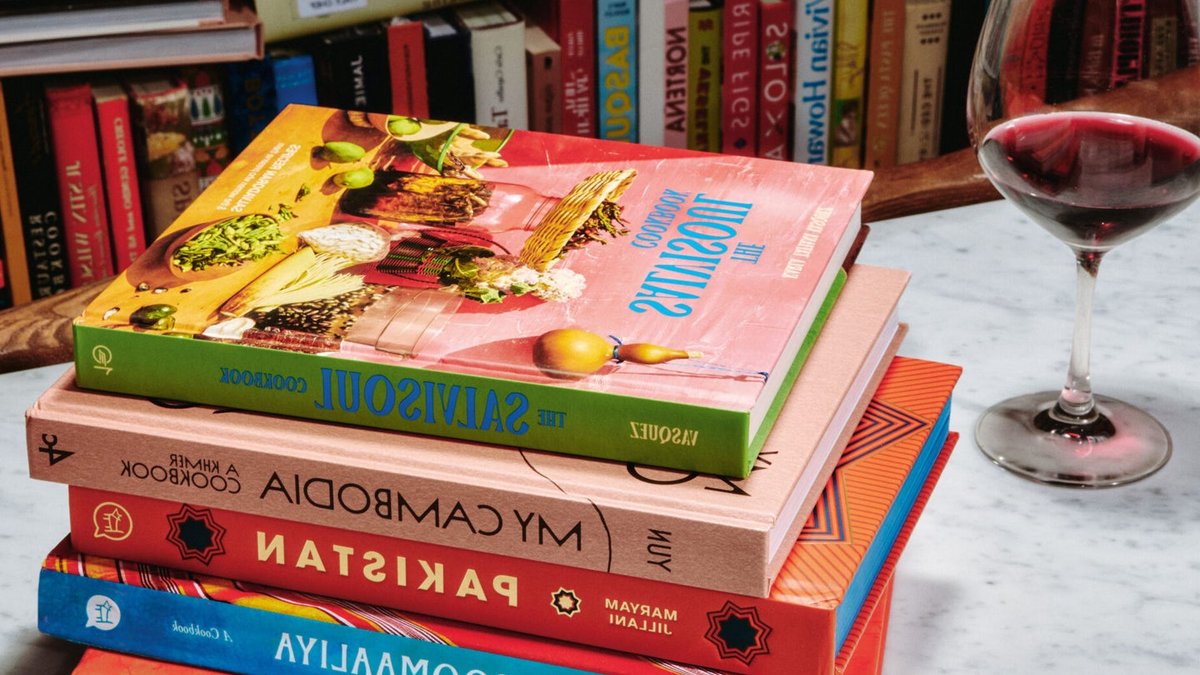
Among the must‑read cookbooks emerging this season, several spotlight cuisines that have long been missing from mainstream shelves.
Somalia and Sudan: First English Volumes
Ifrah F. Ahmed released Soomaaliya, only the third English title on Somali fare since 1978. The author, a 1996 refugee from Mogadishu, blends a concise history of her homeland with essays on the diaspora, then presents carefully tested dishes.
The book notes the scarcity of Somali recipes in Western markets and aims to keep the knowledge from fading. “I have a responsibility to share my culture and this cuisine,” she writes, highlighting a personal mission.
Omer Al Tijani spent a decade gathering material for The Sudanese Kitchen, the first Sudan‑focused work printed in English. He relied on local guides, relatives, and on‑the‑ground fixers to document a multicultural food heritage that many outside the region overlook.
His introduction pushes back against the narrow view of Sudan as merely “troubled,” instead highlighting contributions to global gastronomy. The volume includes recipes ranging from millet porridge to spiced lamb stews.
Compared with the handful of titles that appeared before the turn of the millennium, these two publications illustrate a shift toward deeper cultural representation. The effort mirrors a broader appetite among readers for authentic narratives, not just simplified meal ideas.
Cambodian Cuisine Without Compromise
Chef Nite Yun of San Francisco authored In My Cambodia, a work that grew out of her frustration at the lack of reliable Khmer cooking resources. She weaves personal memories of assimilation with faithful reproductions of traditional dishes.
Yun insists on preserving core ingredients such as kroeung (lemongrass paste) and prahok (fermented fish paste). “If you don’t have [them] when a recipe calls for it,” she writes, “I highly suggest cooking another dish.”
The volume resists the temptation to dilute flavors for American palates, offering readers a direct line to the aromas of her childhood kitchen. It also includes a brief guide to sourcing hard‑to‑find ingredients in the United States.
Read Also: Classic dessert gets a modern twist with banana pudding revival
Readers appreciate the authenticity.
Pakistan and Salvadoran Home‑Cooked Histories
After encountering repetitive Pakistani recipes online, Maryam Jillani traveled across the country to capture regional specialties that rarely appear in print. Her title presents dishes from the mountainous north to the coastal south, each credited to local cooks she met.
Jillani notes that the food scene of Pakistan is far more varied than the limited set of recipes circulating on popular blogs. The work functions as both a recipe collection and an ethnographic record of home kitchens.
In a similar community‑driven effort, Karla Tatiana Vasquez compiled SalviSoul, pairing recipes with candid interviews from twenty‑five Salvadoran women. The volume serves as a narrative history, preserving family stories alongside food traditions.
Each contributor’s dish is accompanied by personal anecdotes, creating a mosaic of Salvadoran life in the United States. The project emphasizes the role of women in transmitting culinary knowledge across generations.
Broader Impact on Culinary Publishing
The emergence of these titles signals a growing willingness among publishers to invest in works that celebrate under‑represented food cultures. By offering both culinary instruction and cultural context, the books appeal to readers who seek depth as well as flavor.
Industry observers note that such projects often involve extensive fieldwork, collaboration with local experts, and a commitment to authenticity that goes beyond mere recipe compilation. This dedication helps ensure that traditions are recorded accurately for future generations.
As more chefs and writers turn their attention to the cuisines of Somalia, Sudan, Cambodia, Pakistan, and El Salvador, the culinary canon expands to reflect a richer, more inclusive global palate.


