
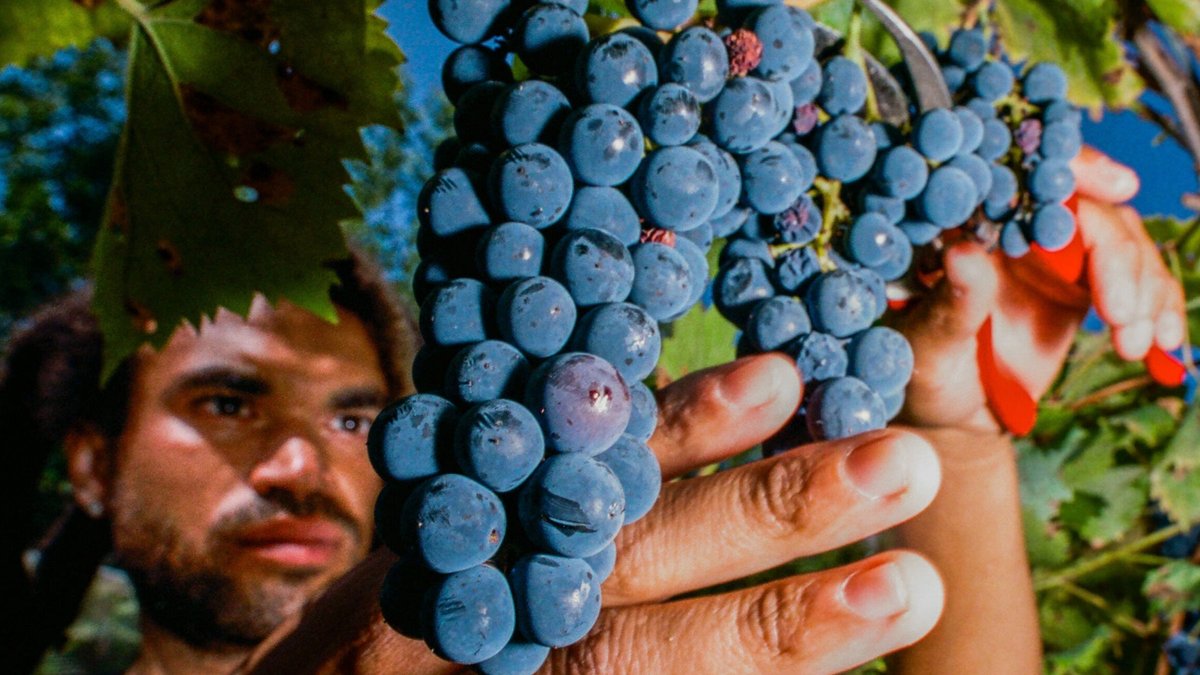
Nicholas Kimberly inspects his Mermaid Hill Vineyard in New Hampshire following a severe thunderstorm. Winds reached 40 miles per hour and temperatures dropped 20 degrees, threatening the nearly ripe harvest. NOK Vino, founded by Kimberly and Ryan Williams, cultivates hybrid grapes to survive this harsh environment. Most global wine comes from Vitis vinifera, but these crosses with native North American species offer resilience against the region’s unpredictable climate.
Weathering the Storm
Southern New Hampshire is not a typical wine region. Mount Washington boasts the world’s worst weather, with winds exceeding 231 miles per hour. Even the valleys face winters colder than 10 below zero. While summers bring humidity and disease, the threat of hail and rot looms heavy at the end of August. The storm deposited nearly an inch of rain overnight. Kimberly was relieved to find the grapes intact, though the sugar content was diluted. Sunny weather would allow them to recover.
Related: Saigon’s Best Vietnamese Coffee Drinks
Kimberly runs NOK, which stands for “Not Otherwise Known,” with his business partner, Ryan Williams. They’ve chosen a formidable place to make wine. New Hampshire’s highest point, Mount Washington, claims the “world’s worst weather” at its summit and holds the record for the highest wind speed ever recorded in the Western Hemisphere. And while conditions are more hospitable toward the valleys, winters usually see temperatures lower than 10 below zero. Warm, humid summers promote scourges like downy mildew and black rot. It’s not a climate that supports ordinary viticulture.
The Wolf in the Vineyard
Virtually all wines around the world are made from a single European species, Vitis vinifera, or the common grape vine. Sauvignon blanc, pinot noir, valdiguié, zinfandel—they’re all the same species, as genetically similar as a labrador is to a poodle. NOK, however, grows hybrid grapes: varieties crossed between V. vinifera and native North American species, often bred to withstand the harsh continental climate. If traditional wine grapes are like types of dogs, then you can think of these hybrids as wolves—similar, but in a completely different category.
Critics, sommeliers, and wholesale buyers once dismissed these types of wines. Hybrids can present unusual flavors, like tropical fruit or medicinal notes. Classically trained drinkers have been taught to disdain anything that’s outright grape-y, and hybrids can achieve somewhat cartoonish flavors of purple gummy bear. Most notoriously, many tasters describe an animal note, like wet fur, often called “foxy.”
Related: Budget-Friendly Luxury: London Couples Choose Lab-Grown Diamonds for Their Big Day
“That’s a word that was made up by the established wine culture to pooh-pooh the taste of native grapes because they’re supposedly less noble, or some other purity bullshit,” Kimberly tells me while we’re at one of his vineyards. We’re standing in a two-acre block of marquette grapes, a red variety descended from pinot noir and hybrids of Vitis riparia, a cold-hardy endemic species. “It’s just another word for musk,” Williams chimes in. “Plenty of people like that.”
Those musky aromas are characteristic of wines made with Vitis labrusca, a species that includes concord, the table grape most commonly associated with mass-market grape juice and jelly. V. labrusca isn’t a major part of NOK’s production, but that’s not to say their wines taste like ordinary screw-cap pinot grigio or silky steakhouse cab. It’s far easier to compare NOK’s bottles to offbeat wine bar fixtures. One of them, River Rose, a blend of Frontenac gris and La Crescent, resembles fruity Sicilian orange wine. Another, Solidago, a white blend, suggests the Jura’s yeasty vins jaunes.
As global temperatures rise and extreme weather patterns intensify, traditional viticulture faces increasing challenges. Regions that were once marginal for growing wine may now find new potential, but only if growers adapt their methods. The shift toward hybrid varieties represents a pragmatic response to these environmental pressures, prioritizing resilience over historical prestige. Unlike the traditional European focus on a specific hierarchy of prestige, this approach values survival and adaptability in the face of a changing climate.
Related: Best Com Tam in Saigon: A Local Guide
From Vermont to New Hampshire
The modern renaissance of hybrid wine began in 2007 with Deirdre Heekin of Domaine La Garagista in Vermont. She applied rigorous, low-intervention techniques to these grapes, creating a style that caught the attention of Nicholas Kimberly. After tasting one of her bottles, Kimberly experienced a “psychedelic” reaction and wrote to ask for a job. He spent two years as an apprentice, learning to improvise with fruit that lacks a standard textbook. He later managed Shara, the only organic vineyard in New Hampshire. Now, NOK produces thousands of cases a year in a new facility in Hooksett. Kimberly refuses to remove stems from the grapes, believing they add structure, and uses neutral vessels to let the terroir shine through.
A New Standard
Despite the skepticism, NOK has gained traction with influential distributors and high-end dining establishments. Zev Rovine carries their bottles, noting that customers need an open mind but often appreciate the taste. Oniyx Acosta, sommelier at the Michelin-starred restaurant Bridges in Manhattan, serves these wines to match the restaurant’s inventive menu. The lifestyle, however, is remote. Kimberly and Williams live in a farmhouse a mile from the nearest paved road, relying on family-style meals and propane burners. The work is hard, with birds targeting drought-stricken vines and sudden storms threatening the harvest. Yet, for Kimberly, the gamble is worth it. He believes terroir applies anywhere, even in New Hampshire’s windswept hills.


